The Rear Exit Rule: Eight Stations Where the Wrong Way Is Right
You know the ritual. The train doors sigh open, the crowd surges toward the main concourse, and before you have formed a thought you are out on the high street, blinking at the same sandwich chains and taxi ranks as every other arrival. It is efficient. It is also, often, the least interesting way to leave a station.
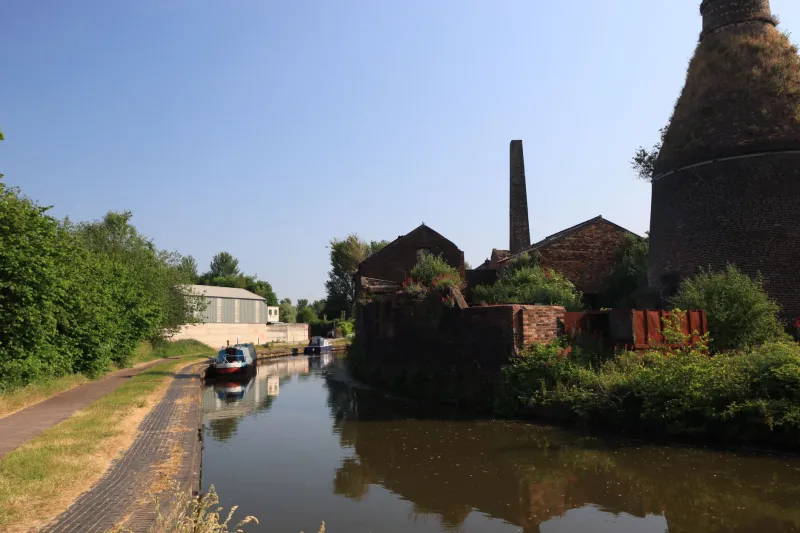
Because the front door is a funnel. The back door — or the side exit, the lesser-used staircase, the passage signed with a vague arrow — is where the town actually begins. Behind most big UK stations you will find canal towpaths, Victorian cemeteries, scrubby riverbanks, and the overlooked edges where a place does its living. The trick is simple: when you arrive, take the other exit. Here are eight stations where that instinct pays off.
London Paddington: follow the water, not the taxis
The main concourse spits you onto Praed Street and the Paddington tourist scrum. Instead, look for the exit signed to Paddington Basin and Sheldon Square. You are immediately on the Grand Union Canal, where narrowboats are moored in a quiet curve and the water does the job of slowing you down.
Route notes: a flat 3-mile loop. Follow the towpath west toward Little Venice, cross at the bridge, and return through Maida Vale's residential streets. Look for the fan bridge over the basin and the herons that treat the moorings like a private larder.
Manchester Piccadilly: the canal behind the concourse
Piccadilly's front doors lead to the busiest corner of the city. The rear exit, via Station Approach, drops you toward Piccadilly Basin and the Ashton Canal. Within two minutes the noise falls away and you are walking between mill buildings and moored boats.
Route notes: 2.5 miles to Ancoats and back. Follow the towpath east, cross at the lock gates, and return via the Rochdale Canal. Look for the bricked-up windows of old warehouses and the sudden pockets of graffiti that feel like a secret handshake.
Leeds: south of the tracks, north of the crowds
Leeds station is a maze, but the south exit toward Granary Wharf is the one to take. You come out beside the River Aire and the Leeds-Liverpool Canal, where the water is dark and the warehouses are tall and the whole city feels like it is exhaling.
Route notes: 3 miles one way along the canal toward Kirkstall. Turn back at any lock that takes your fancy. Look for the Victorian wharf buildings, the mooring ropes, and the occasional kingfisher flashing blue between the bridges.
Sheffield: the Five Weirs Walk from the back door
Sheffield station's main exit puts you on the tram tracks. The rear exit, toward the river, puts you on the Don. The Five Weirs Walk is a proper industrial-edge wander — weirs, footbridges, old works, and a river that has quietly cleaned itself up.
Route notes: 2 miles to Attercliffe and back. Flat, paved, and surprisingly wild in places. Look for the herons standing in the weir foam and the Victorian sluices that still look ready for work.
Cardiff Central: the Taff, not the retail park
Cardiff Central's front door is all taxis and retail. The rear exit toward the river takes you to the Taff Trail, where the water slides past the castle and the city's edges turn green. It is the sort of walk that makes you rethink a place you thought you knew.
Route notes: 2 miles to Bute Park and back. Follow the Taff north, cross at the bridge, and return through the park. Look for the herons, the rowers, and the castle walls appearing above the trees like a stage set.
Edinburgh Waverley: Market Street is the real entrance
Waverley's main exit is Princes Street, which is fine if you want a bagpiper and a tram. The Market Street exit — the one behind you as you come off the platforms — leads up into the Old Town's closes and down toward Holyrood. It is the difference between seeing Edinburgh and walking through it.
Route notes: 3 miles to Holyrood Park and back. Climb Cockburn Street to the Royal Mile, then take any close that looks interesting. Look for the carved lintels, the sudden courtyards, and Arthur's Seat waiting at the end like a punctuation mark.
York: the riverside side door
York station's main exit is Station Road and the taxi rank. The lesser-used side exit onto Station Rise drops you toward the Ouse and the Museum Gardens. Within minutes you are on the riverbank, watching rowers and dog walkers instead of queuing for a bus.
Route notes: 2.5 miles to the Millennium Bridge and back. Follow the river south, cross at the bridge, and return along the other bank. Look for the city walls appearing between the trees and the rowing clubs that make the river look like a school sports day.
Bristol Temple Meads: the Feeder Canal detour
Temple Meads' main exit is all traffic and construction. The rear exit toward the Feeder Canal is a different world: old industrial buildings, graffiti, moorings, and a straight line of water that leads you into the Floating Harbour without ever touching the high street.
Route notes: 2 miles to Temple Quay and back. Follow the Feeder Road towpath, then loop through the harbour side. Look for the cranes, the faded paint, and the sudden view of the SS Great Britain's masts.
The rear exit rule is not about being contrarian. It is about noticing that arrival is a choice. The crowd takes the obvious way because it is obvious. You can take the other way because it is yours. And if you get lost — which you will, a little — ask a member of staff. They know the back doors better than anyone.