Where the Road Runs Out: Seven Coastal Shops Worth the Walk

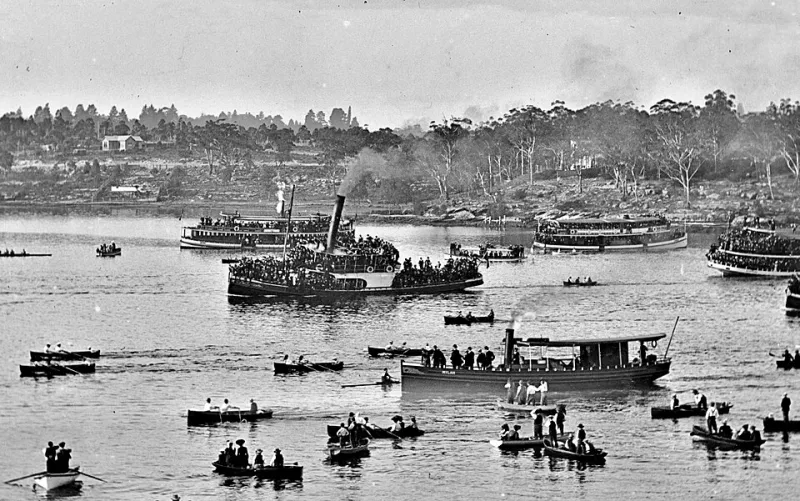
Photo: PattayaPatrol, CC BY-SA 4.0, via Wikimedia Commons
There is a particular kind of shop that exists only where the road gives up. It opens at nine, sells milk, crab lines, flapjack and something smoked in a shed out the back, and it closes whenever the person behind the counter decides the tide or the weather or their knees have had enough. In summer it is a scrum. In January it is you, a dog, and a hand-written sign about the boiler.
That is the deal, and it is a good one. A shop on the edge of the water turns a walk into a destination and a destination into a walk. Here are seven where the provisions are part of the point. Check winter hours before you set off — most of these shrink to weekends from November, and some close entirely for a fortnight in the new year.
Craster, Northumberland
The shop: the village is inseparable from its smokehouse, where herrings have been cured over oak and shavings for generations and the smell meets you a hundred yards before the door. Buy kippers. Buy more than you think you need.
The walk: north along the coast to Dunstanburgh Castle, a ruin that appears on the horizon like something half-remembered, then back for a late lunch.
Before you go: the coast bus runs from Alnmouth station; the car park at the harbour fills early on sunny Sundays.
Runswick Bay, North Yorkshire
The shop: a beach-level café-shop arrangement tucked under the cliffs, doing hot drinks, sandwiches and the sort of cake that justifies a second hill.
The walk: down from Hinderwell on the cliff path, along the sand, and back up the steps. Low tide reveals a rock shelf full of things worth crouching over.
Before you go: the descent is steep and slippery in the wet; winter opening is a lottery, so bring a flask as insurance.
Cley-next-the-Sea, Norfolk
The shop: a smokehouse on the main street selling bloaters, kippers and eel, plus enough local cheese to make a picnic that could carry you to Blakeney and back.
The walk: the Norfolk Coast Path, west along the marsh. Take binoculars. This is one of the great birding stretches of eastern England and you will be standing next to someone who knows exactly what that speck is.
Before you go: the coast bus from Sheringham station stops on the doorstep; the wind off the marsh is a different climate from the one you left.
West Mersea, Essex
The shop: the famous shed on the waterfront, where oysters are shucked to order and eaten at plastic tables with bread, lemon and no ceremony whatsoever. Bring cash, bring patience, bring an appetite.
The walk: east along the seawall to the Strood, the causeway that floods at high water and makes the island briefly an island again.
Before you go: buses from Colchester station; there is no railway on Mersea, and tide tables matter more than timetables.
Kingsand and Cawsand, Cornwall
The shop: a village store on the square in the middle of twin villages that were once smuggling country and now mostly sell cream teas to people who walked in from Devon.
The walk: the Cremyll ferry from Plymouth, then the coast path round Mount Edgcumbe — a stately-home park with the sea on one side and a deer park on the other. Two hours of gentle, ridiculous scenery.
Before you go: the ferry is seasonal and weather-dependent; check the last crossing before you settle in for a second coffee.
Solva, Pembrokeshire
The shop: a harbour-side store and deli doing pies, local cheese and ice cream, in a village that folds itself into a narrow inlet like it is keeping a secret.
The walk: up onto the Gribin for the view back over the harbour, then along the coast path towards St Davids if the legs are willing.
Before you go: buses run from Haverfordwest station; the harbour car park is small and the hill down to it smaller.
Porthdinllaen, Llŷn
The shop: no road, no car park, no choice — just an inn on the beach that functions as shop, pub, café and village hall for a hamlet of a few dozen houses.
The walk: along the sand from Morfa Nefyn, twenty minutes each way, with the whole bay to yourself in winter. This is the best argument for walking to your provisions ever made.
Before you go: buses to Morfa Nefyn from Pwllheli; the National Trust car park sits at the top of the lane.
The small print of a small shop
Buy something. Buy more than a bottle of water — a bag of coffee, a pasty, a postcard. The economics of a shop at the end of a road are brutal, and the difference between open and shut next winter is often a few hundred summer transactions.
Carry cash. Ask what is local. Do not treat the loo as a public facility if you have not bought anything. And if you find one of these places shut, with a note on the door about a family wedding or a bereavement or a boiler, do not grumble — come back. The walk was still worth it. That is the whole point of the last shop before the sea: it gives you somewhere to aim for, and somewhere to return to.