Dusk Timetable: Seven Bus Journeys Where the Return Leg Is the Treat
Most day trips have a curfew. The last light arrives, the car park empties, and you find yourself calculating whether you can squeeze in one more coffee before the drive home. Buses are different. A good evening service lets you stay for the blue hour, eat somewhere that isn’t a service station, and let someone else do the driving. The return leg stops being admin and becomes part of the trip.
The seven routes below aren’t a timetable. They’re prompts. In 2026, evening buses still vary wildly by season and operator, and rural Sunday services can vanish like mist. Check the operator’s current timetable before you set out, and always have a plan B that isn’t a taxi you can’t afford. But where the times line up, these are journeys that stretch a familiar day out into something that behaves like a short break — even if you’re home before midnight.
1. The 555: Lancaster to Keswick
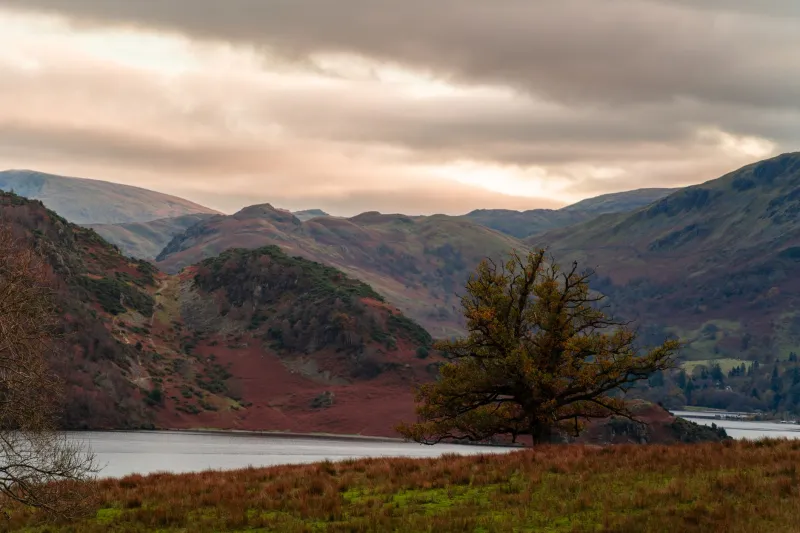
Board at Lancaster bus station and let the Lakes arrive slowly. The 555 climbs through Windermere and Ambleside, but the real shift happens after Grasmere, when the road narrows and the fells start to look like cut paper against the dusk. In winter, the light goes early; in summer, you get a long golden hour over Thirlmere.
Get off in Keswick and walk down to the lake, or just find a window seat in a pub. The George is reliable, and there’s always a chip shop doing brisk business. The return is the point: the same valleys, now full of shadows and sheep that look like stones until they move. Stagecoach runs the route, but late journeys thin out outside summer. Check before you commit to that second pint.
2. The Coastliner 840: Leeds to Whitby
This is the big one. Leeds City Bus Station to Whitby is a proper cross-country haul, and the section over the North York Moors is worth doing in either direction. Board in the afternoon, watch the moors turn purple, and arrive in Whitby as the harbour lights come on.
Whitby does dusk well. The abbey is a silhouette, the piers are windy, and the fish and chips are non-negotiable. The Magpie has queues for a reason, but the backstreets have plenty of alternatives. The Coastliner’s evening returns are limited, so this is a route to plan rather than improvise. If you miss the last bus, the train is your friend — but the bus journey is the one that feels like a short break.
3. The 12A: Brighton to Birling Gap
Brighton’s 12A is a commuter route with a secret. It runs along the coast to East Dean and Birling Gap, where the South Downs fall into the sea. Board at Old Steine, grab a top-deck seat, and watch the town give way to chalk.
Birling Gap at dusk is all white cliffs and big sky. The café may be shut, but the Tiger Inn at East Dean is a proper fire-and-ale sort of pub. The return is frequent enough to feel relaxed, though you should still check the last bus. The joy here is the contrast: a busy city, a wild cliff, and a bus that takes you back without asking you to drive home in the dark.
4. The 376: Bristol to Wells
Bristol Bus Station to Wells is a workhorse route, but it crosses the Mendips and drops into England’s smallest city. Leave Bristol in the late afternoon, watch the city sprawl fall away, and arrive in Wells as the cathedral turns pink.
Wells is compact and easy to wander after hours. The cathedral green is quiet, the market square is handsome, and there are enough pubs and cafés to feed you before the return. First West of England runs the 376; evening services exist but aren’t metro-frequency. Check the last bus and enjoy the fact that you’re not navigating the Mendips in the dark.
5. The 124: Edinburgh to North Berwick
Edinburgh’s 124 heads east to North Berwick, a seaside town with a law and a harbour. Board at St Andrew Square, sit upstairs, and watch the Forth open up. On a clear evening, the light on the water is ridiculous.
North Berwick is made for a twilight stroll: harbour, beach, maybe a chip shop. The Lobster Shack is seasonal, so have a backup. The return runs late enough to make an evening of it, but check East Coast Buses’ current timetable. The journey back is a slow unspooling of coast and suburb, and it beats another night in front of the telly.
6. The X10: Swansea to Carmarthen
West Wales has its own rhythm, and the X10 between Swansea and Carmarthen is a good way to feel it. Board at Swansea bus station, watch the estuary widen, and arrive in Carmarthen as the shops close and the pubs open.
Carmarthen’s market is the heart of the town, and there are plenty of places for a quick supper. The return is a proper evening run, though rural services can be sparse. First Cymru operates the route; check before you go. The reward is a journey that feels like crossing a border, even though you haven’t.
7. The 36: Leeds to Harrogate
The 36 is a Yorkshire institution. Leeds to Harrogate via Harewood and Pannal is not the wildest route on this list, but it’s reliable, frequent, and makes a surprisingly good twilight trip. Board in Leeds, watch the city thin out, and arrive in Harrogate in time for a wander around the Montpellier quarter.
Harrogate is civilised to a fault: Bettys, bookshops, and a pub or two. The return is late and easy, which is exactly what you want when the day has already been long. Transdev runs the 36; the buses are comfortable and the evening service is useful. It’s not a wilderness adventure, but it’s a reminder that a short break doesn’t have to be far away.
The return is the destination
There’s a particular pleasure in being on a bus after dark. The windows turn into mirrors, the towns become strips of light, and you get to be a passenger in your own day out. These routes won’t all work in every season, and some will require a bit of timetable archaeology. But when they do, they turn a familiar trip into something looser and more generous. The last bus isn’t a deadline. It’s an invitation to stay a little longer.